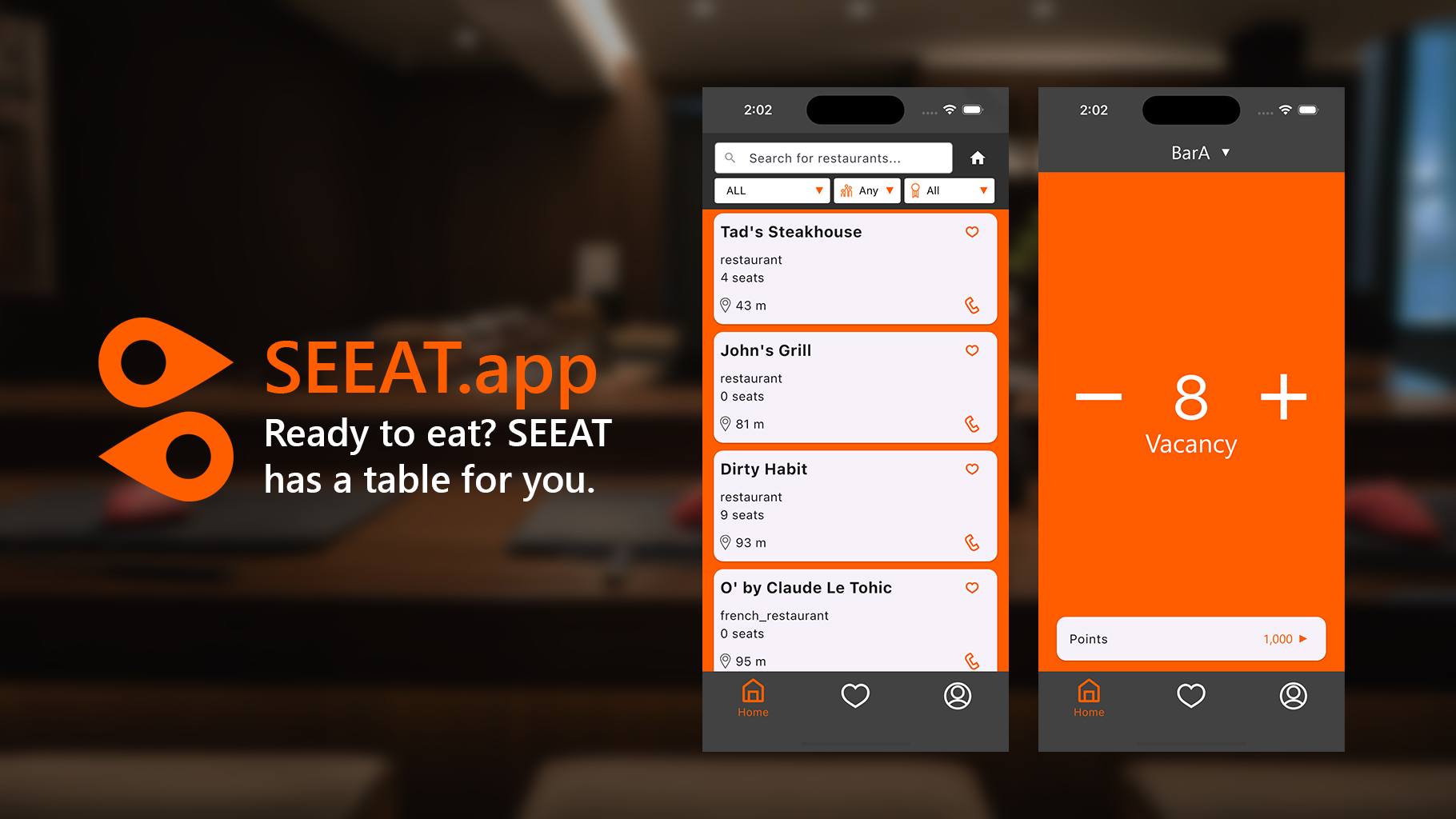
Project Overview
SEEAT.app is positioned as a pioneering technology firm dedicated to solving the fundamental inventory management challenge within the global food and beverage (F&B) industry. Our core mission is to convert the restaurant sector's idle capacity—vacant tables resulting from last-minute cancellations or non-peak hours—into immediate, monetizable assets, thereby bridging the instantaneous information gap between supply and demand.
Information
Product:SEEAT.app
Issuing Company:SEEAT.app
Platform:Web、iOS、Android
Release Date:2025/10
Preface
I decided to resign and dedicate myself to this project in 2025. For someone who has worked in a large corporation for over a decade, this was undoubtedly the most difficult decision. However, the convergence of two long-standing problems propelled me to embark on this venture.
The first challenge is this: while I used to enjoy rewarding myself with a good meal after a day's work, in recent years, dining out spontaneously has become increasingly difficult. Meanwhile, restaurants are simultaneously struggling with issues like last-minute cancellations and "no-shows," leading to wasted resources.
The second concern arose with the AI boom. As an expert in design and development—two fields significantly impacted by the AI wave—I began to seriously contemplate my role and value in the evolving global landscape.
Before Launch
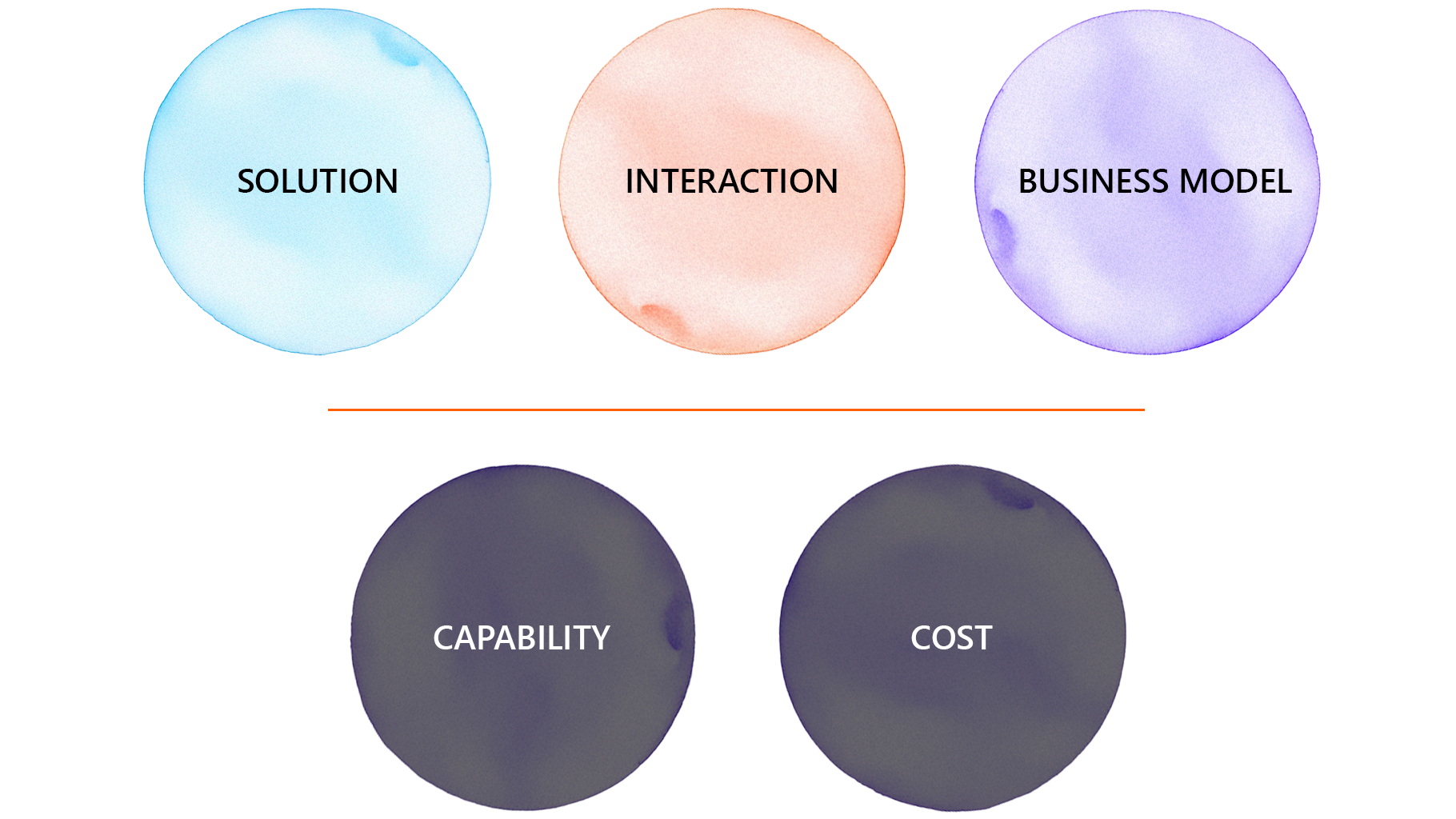
Given that this project is a blend of multiple functions, it was crucial to clearly define the perspective from which we were thinking at any given time. I initially segmented the roles into several key personas: User, Operator/Business Owner, Product Manager (PM), Designer, R&D Engineer (RD), and Marketer.
The process began with defining the problem from the user's perspective, followed by the PM planning the solution, and the operator designing the subsequent business model. This led into the iterative cycle of design and development until the product was launched. Only after launch did I switch to the perspective of a marketing expert to plan the strategy and necessary collateral. Moving forward, I will detail what I accomplished and what I learned while embodying each of these different roles.
How Do I Define Solution
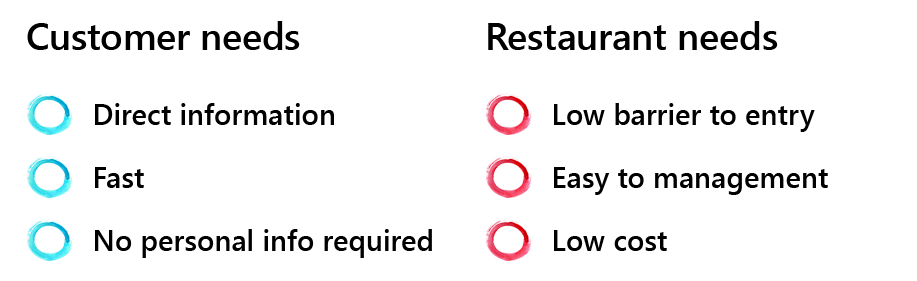 Through user research, we identified a clear demand for accurate, distraction-free information provided without the friction of excessive personal data requests. To address this, I streamlined the UI to deliver essential details at a glance: by simply accessing location data, the app instantly displays nearby restaurants, cuisine types, real-time seat availability, and distance.
To further enhance accessibility, I developed a web-based version that allows users to explore options without the need for an account. On the B2B side, we significantly lowered the barrier to entry and learning curve for restaurant partners. Managers can update availability using a simple plus-minus interface, with a future roadmap focused on seamless POS integration to automate real-time seat updates directly from their existing systems.
Business Discussion
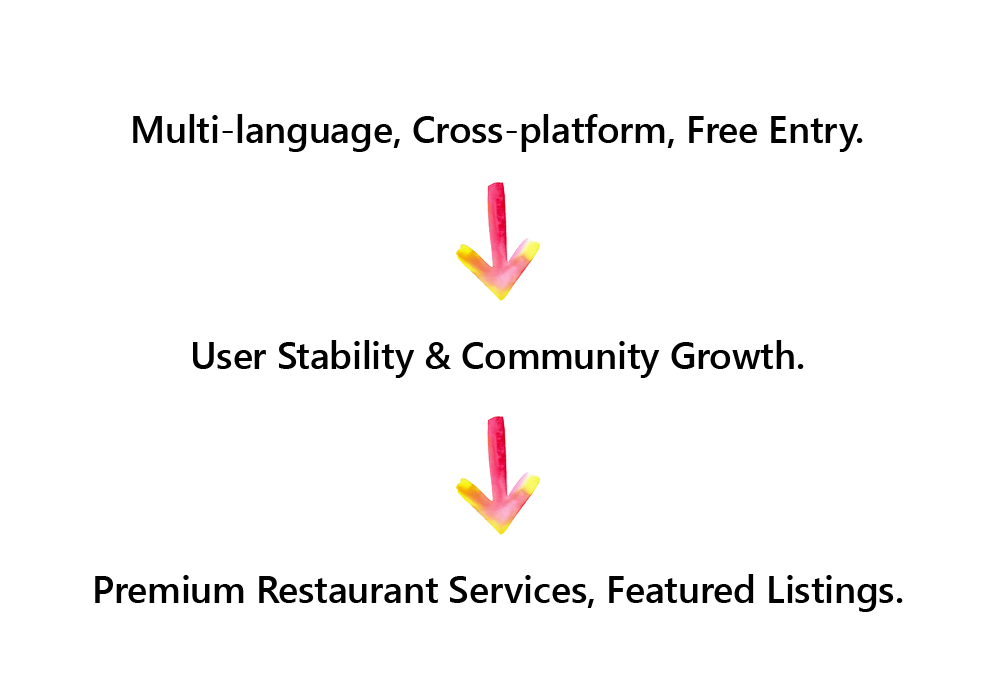 To maintain a low barrier to entry, I prioritized user experience over immediate monetization. My strategy focuses on 'broadening the reach before deepening the value.' This began with implementing multi-language support and launching simultaneously on both Android and iOS to capture a diverse global user base. By removing friction and focusing on rapid adoption, we aim to build a stable and engaged community first. Once a solid user base is established, we plan to introduce value-added services for restaurant partners—such as promoted listings and premium visibility—creating a sustainable ecosystem without compromising the core user experience.
SPECs Define
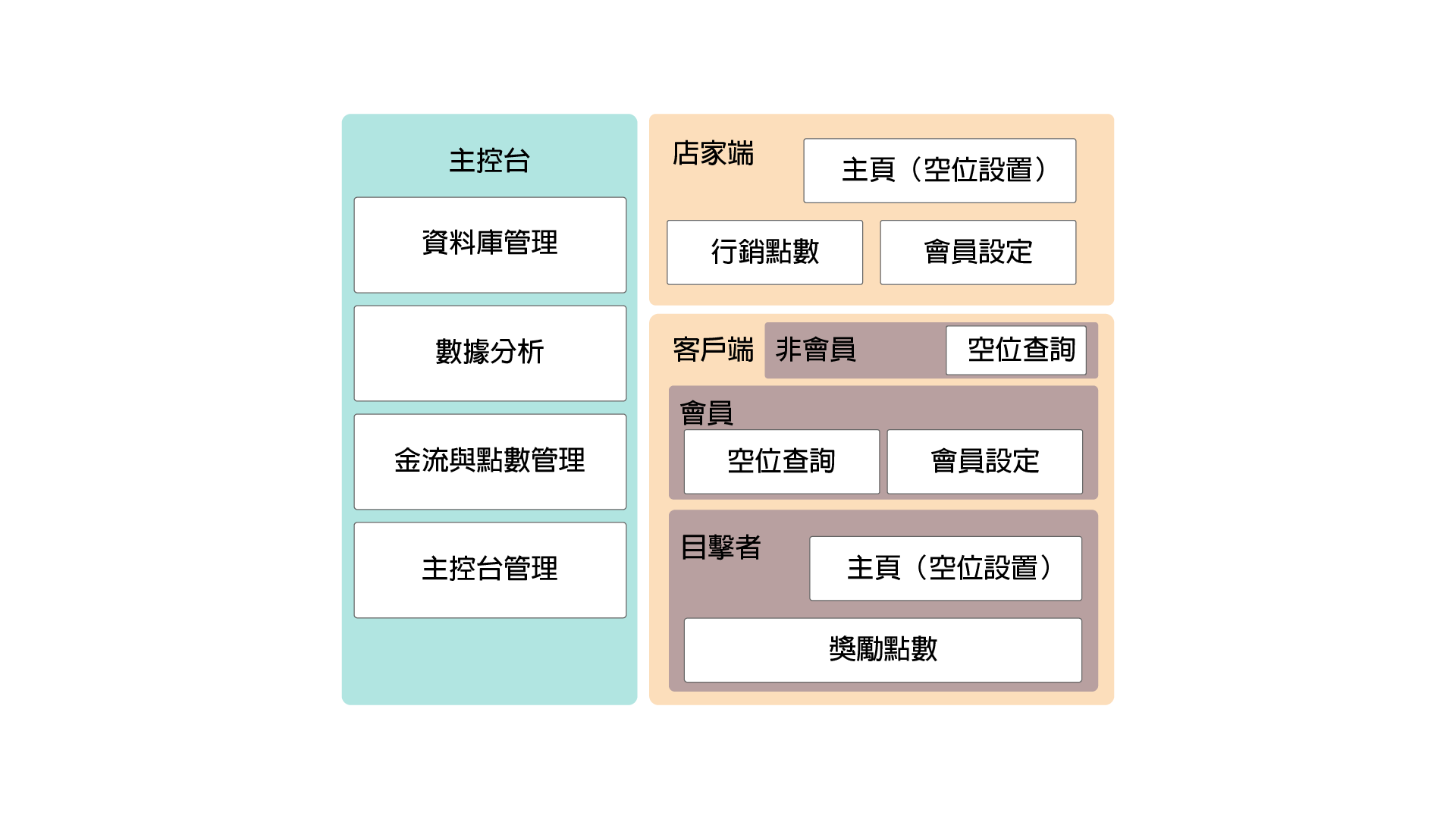 Upon solidifying the business model and defining key user experience objectives, I meticulously documented the project requirements—detailing necessary pages, data structures, and the required tech stack. These insights were then consolidated into a comprehensive Product Requirements Document (PRD). This process was instrumental in clarifying the underlying system architecture and identifying critical interaction touchpoints, ensuring a seamless transition from strategic planning to technical development.
Interaction Design
Following the completion of the initial PRD, I transitioned into the wireframing phase to visualize the product's structure. During this stage, I defined all critical screens and mapped out the essential user flows required for core interactions. This allowed me to validate the information architecture and ensure that every key touchpoint was logically placed before moving into high-fidelity design.
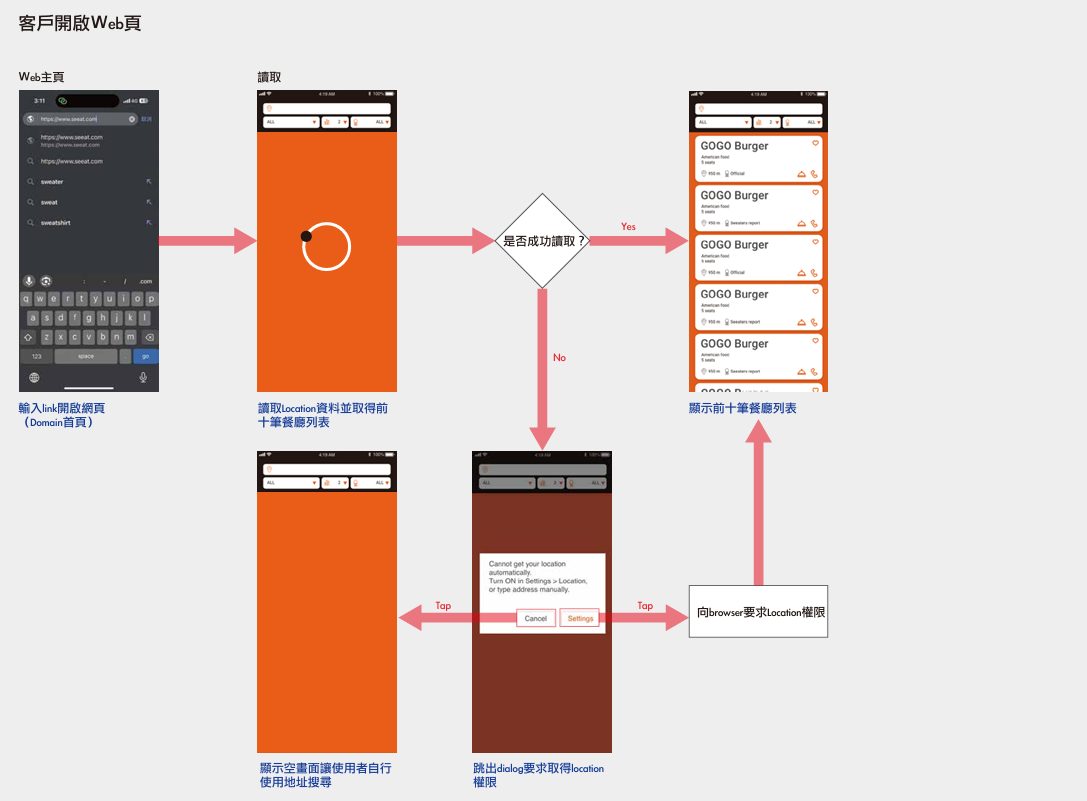
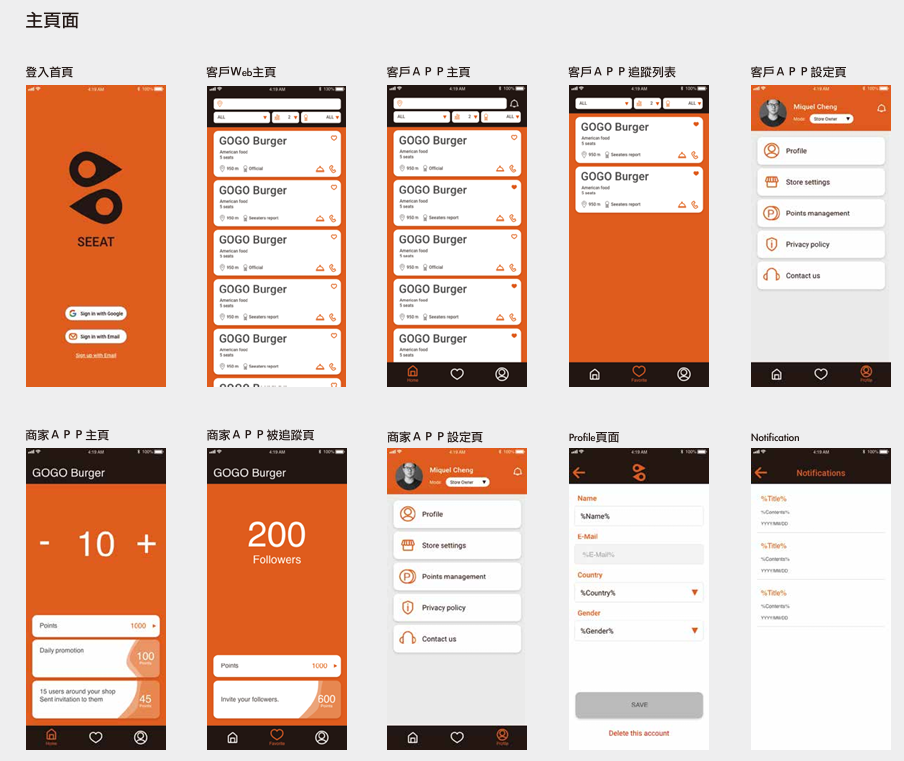 Building upon the established wireframes, I proceeded to construct a comprehensive UI flow. By connecting individual screens into a cohesive journey, I was able to validate the entire user experience, ensuring that all content remained accurate and that no critical edge cases or functional requirements were overlooked before moving into high-fidelity production.
Development
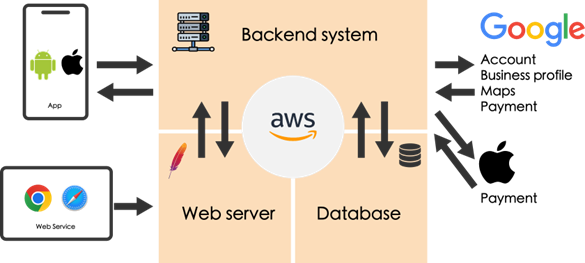
The development phase was executed in structured stages to ensure scalability and stability. We initiated the process by consulting with external technical partners to define the core system architecture, including third-party integrations, server specifications, and infrastructure scaling. With a solid foundation, we moved into core feature development. Throughout this iterative process, whenever technical constraints arose, I proactively revisited and refined the PRD, ensuring that the UI flows were synchronized with the latest functional requirements.
Once the foundational features were complete, we transitioned into a rigorous Quality Control (QC) phase. Simultaneously, I leveraged AI to generate multi-language string tables, streamlining the localization process for a global audience. The final stage involved a dedicated effort toward deployment and navigating the App Store and Google Play submission processes to ensure a successful public launch.
Promotion
The final phase involved bringing the product to market, starting with a rigorous technical audit. I collaborated closely with the engineering team to ensure that SEO, Geofencing (GEO), and GA4 tracking were fully operational and capturing accurate data. Once the technical foundation was verified, I launched initial campaigns across social media and ad platforms to gather preliminary performance metrics.
Through this data, I identified key optimization opportunities—for example, when Facebook Ads data revealed a click-through demographic heavily skewed toward users over 60, I implemented A/B testing on marketing copy and creative assets. This allowed me to refine our targeting strategy and iteratively optimize the messaging to better align with our core audience.

Lessons Learned
The journey of building this venture from the ground up has been anything but smooth. Transitioning from a corporate environment—where abundant resources and specialized departments like legal and finance were always at hand—to a solo founder role has been a profound learning experience. Navigating the complexities of business operations independently has reshaped my perspective on product ownership.
Furthermore, building in the age of AI has fundamentally transformed my workflow. Tasks that once required weeks of interdepartmental coordination can now be accomplished through seamless collaboration with AI, allowing for unprecedented efficiency. I look forward to bringing this entrepreneurial grit and tech-forward mindset into my future endeavors, leveraging these diverse insights to solve even greater challenges.